Debunking Credit Repair Myths: What Really Works
SA
Understanding Credit Repair
Credit repair is a topic surrounded by numerous myths and misconceptions. Many people are led to believe that credit repair is either unnecessary or a quick fix to financial issues. However, understanding the truth behind these myths can empower you to make informed decisions about managing your credit effectively.
Myth 1: Credit Repair Is a Scam
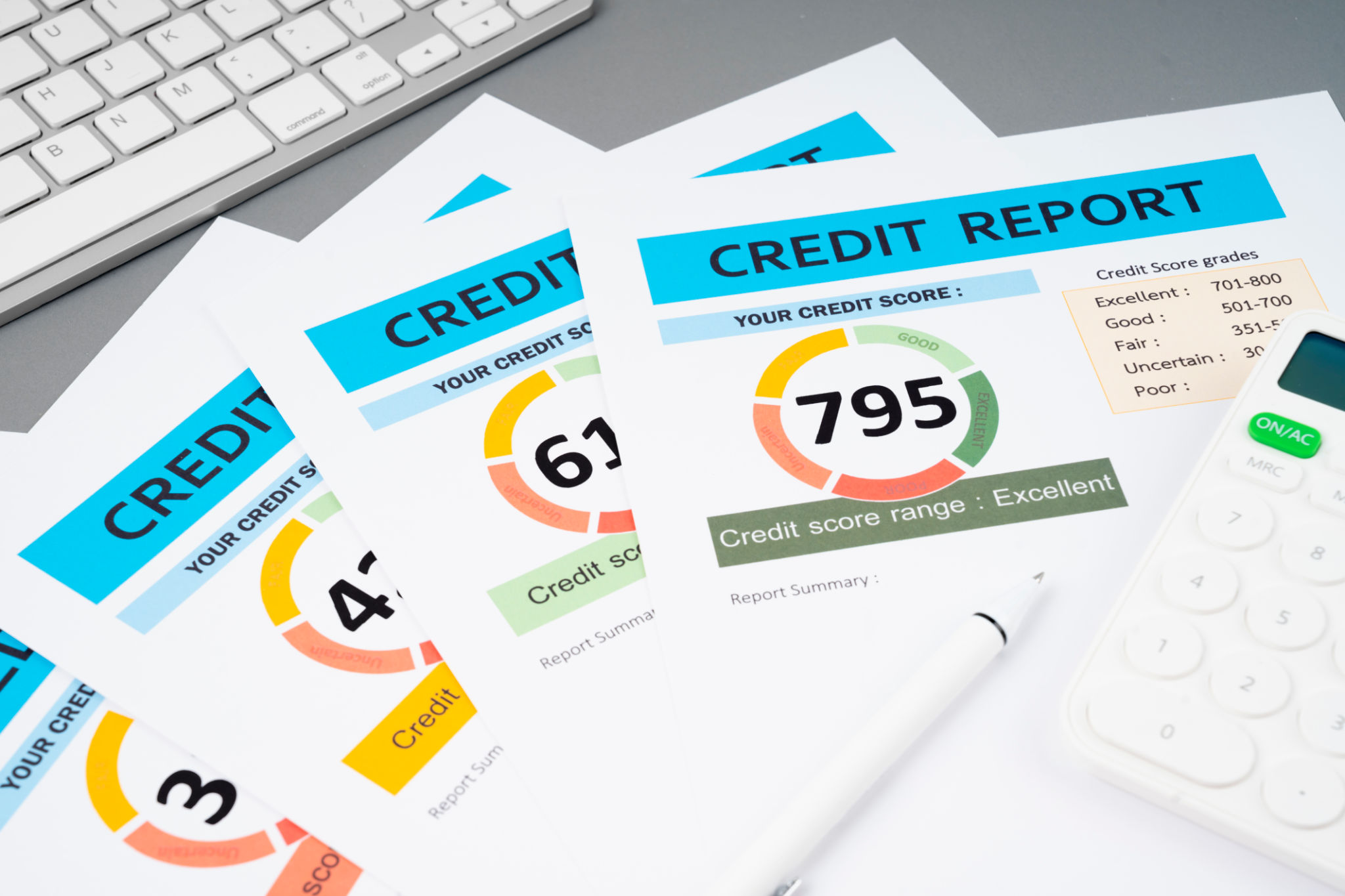
One of the most common myths is that all credit repair services are scams. While it's true that some fraudulent companies exist, legitimate credit repair companies can provide valuable assistance in disputing inaccuracies in your credit report. The key is to research and choose reputable services. Look for companies with transparent practices and positive reviews.
Myth 2: You Can’t Repair Your Credit on Your Own
Many believe that credit repair is too complex to handle without professional help. In reality, individuals can take steps to address their credit issues independently. By obtaining a copy of your credit report and identifying errors, you can dispute inaccuracies directly with credit bureaus. Additionally, adopting healthy financial habits can significantly improve your credit score over time.

Effective Credit Repair Strategies
Now that we’ve debunked a couple of myths, let's explore what really works when it comes to credit repair. Understanding the factors that affect your credit score and taking actionable steps can make a substantial difference in your financial health.
Dispute Inaccuracies
Review your credit reports from all three major credit bureaus—Equifax, Experian, and TransUnion—for errors. Common errors include incorrect account balances or payment statuses. Disputing these inaccuracies can help improve your credit score quickly.
- Request your free credit reports annually.
- Document any discrepancies you find.
- Contact the credit bureau with supporting evidence to initiate disputes.
Pay Your Bills on Time
Your payment history accounts for a significant portion of your credit score. Consistently paying your bills on time can gradually improve your score. Set up automatic payments or reminders to avoid missing due dates.
Building Long-Term Financial Health
While addressing immediate credit issues is important, focusing on long-term financial health is equally crucial. Establishing good habits now can prevent future credit problems and ensure financial stability.
Maintain Low Credit Card Balances
The amount of credit you use compared to your limit, known as the credit utilization ratio, impacts your score. Aim to keep your utilization below 30%. This demonstrates responsible credit management to lenders.
- Pay down existing balances strategically.
- Consider requesting higher credit limits if it won't lead to additional spending.
- Avoid closing unused credit cards, as this can affect your utilization ratio negatively.

Avoid New Hard Inquiries
Each time you apply for new credit, a hard inquiry is recorded on your report, which can slightly lower your score. Limit new applications unless necessary, and research options before applying to minimize potential impacts.
In conclusion, debunking the myths surrounding credit repair is essential for anyone looking to improve their financial standing. By understanding what truly works and taking proactive steps, you can enhance your credit score and achieve long-term financial success.