DIY Credit Repair: 5 Steps to Take Control of Your Financial Future
SA
Taking control of your financial future is a critical step towards achieving financial freedom. One effective way to do this is by repairing your credit score. A good credit score can open doors to better interest rates, loan approvals, and even job opportunities. Fortunately, you can tackle this task yourself with a bit of determination and strategic planning. Here, we outline five essential steps to DIY credit repair.
Understand Your Credit Report
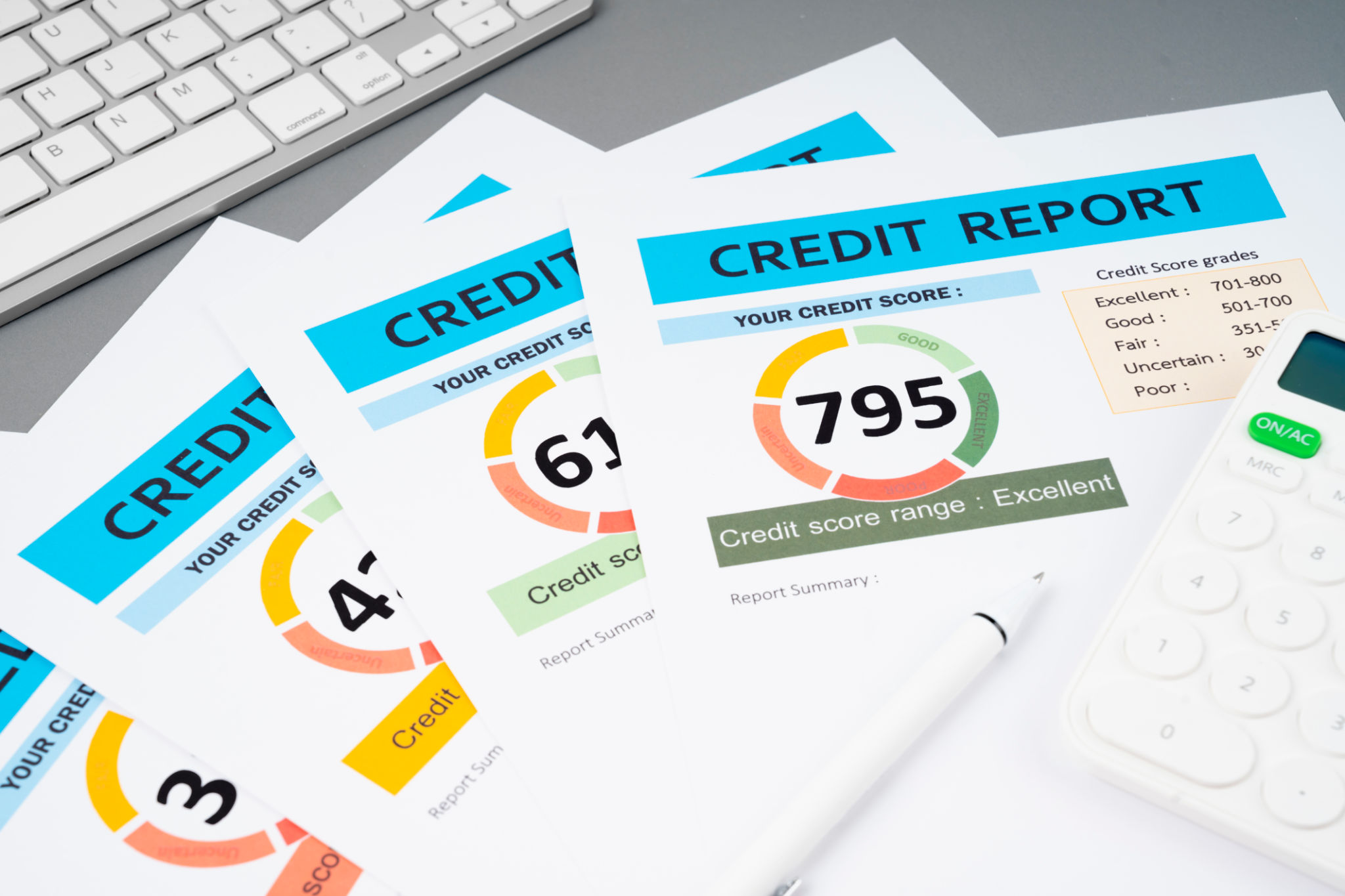
The first step in DIY credit repair is understanding your credit report. Your credit report contains crucial information about your credit history, including payment history, outstanding debts, and any negative marks such as late payments or defaults. Start by obtaining a free copy of your credit report from each of the three major credit bureaus: Equifax, Experian, and TransUnion.
Once you have your reports, carefully review them for errors. Common mistakes include incorrect personal information, accounts you don’t recognize, or misreported payments. Identifying these errors is crucial because they can negatively impact your credit score.
Dispute Inaccuracies
If you find inaccuracies in your credit report, it’s essential to dispute them immediately. You can do this by contacting the credit bureau that issued the report. Provide documentation to support your claim, such as bank statements or correspondence with creditors. The bureau is required to investigate your dispute within 30 days.
Make sure to follow up on your dispute to ensure it is resolved. Successfully removing inaccuracies can have a positive impact on your credit score, helping you progress towards your financial goals.

Reduce Outstanding Debt
Another critical step in improving your credit score is reducing outstanding debt. High levels of debt can negatively impact your credit utilization ratio, which is the amount of credit you’re using compared to your total credit limit. A lower ratio is better for your credit score.
Create a plan to pay down your debt as quickly as possible. Focus on paying off high-interest debts first while making minimum payments on others. Consider consolidating debts with a personal loan or balance transfer if it helps reduce interest payments.

Make Timely Payments
Your payment history significantly affects your credit score. Consistently making on-time payments is one of the best ways to improve it. Set up alerts or automatic payments to ensure you never miss a due date.
If you’ve struggled with late payments in the past, work on building a history of timely payments moving forward. Over time, this will contribute positively to your credit score and help repair any damage from previous late payments.
Limit New Credit Applications
While it might be tempting to apply for new credit when trying to repair your score, be cautious. Each application results in a hard inquiry on your report, which can temporarily lower your score. Focus on maintaining and managing your existing accounts before seeking new ones.
If you do need new credit, consider options like secured credit cards or becoming an authorized user on a trusted friend or family member’s account. These options can help rebuild your credit without the risk of overspending.
By following these steps, you can take charge of your financial future and achieve a healthier credit score over time. Remember, patience and consistency are key elements in the journey to credit repair success.